The company behind the two markets
Cafe Colonial is an American coffee company that sells green (unroasted) coffee and roasted coffee through both wholesale and retail channels across the country. This page is the short version of the operating story behind the investor deck.
The concept
One P&L from origin to the cup
Most coffee companies pick a side. Importers sell green coffee and stop there; roasters buy green and never touch the trade; retailers merchandize but do not roast. Cafe Colonial was built to hold all four roles in one P&L, so that every pound that moves through the company can earn margin twice: once green, once roasted.
The wholesale book gives the company tenure, forecast and volume. The retail book gives it margin, brand equity and, through subscriptions, recurring revenue. The green trade gives it access to the largest and least-branded input market in American coffee, worth an estimated $8.6 billion a year through US ports.
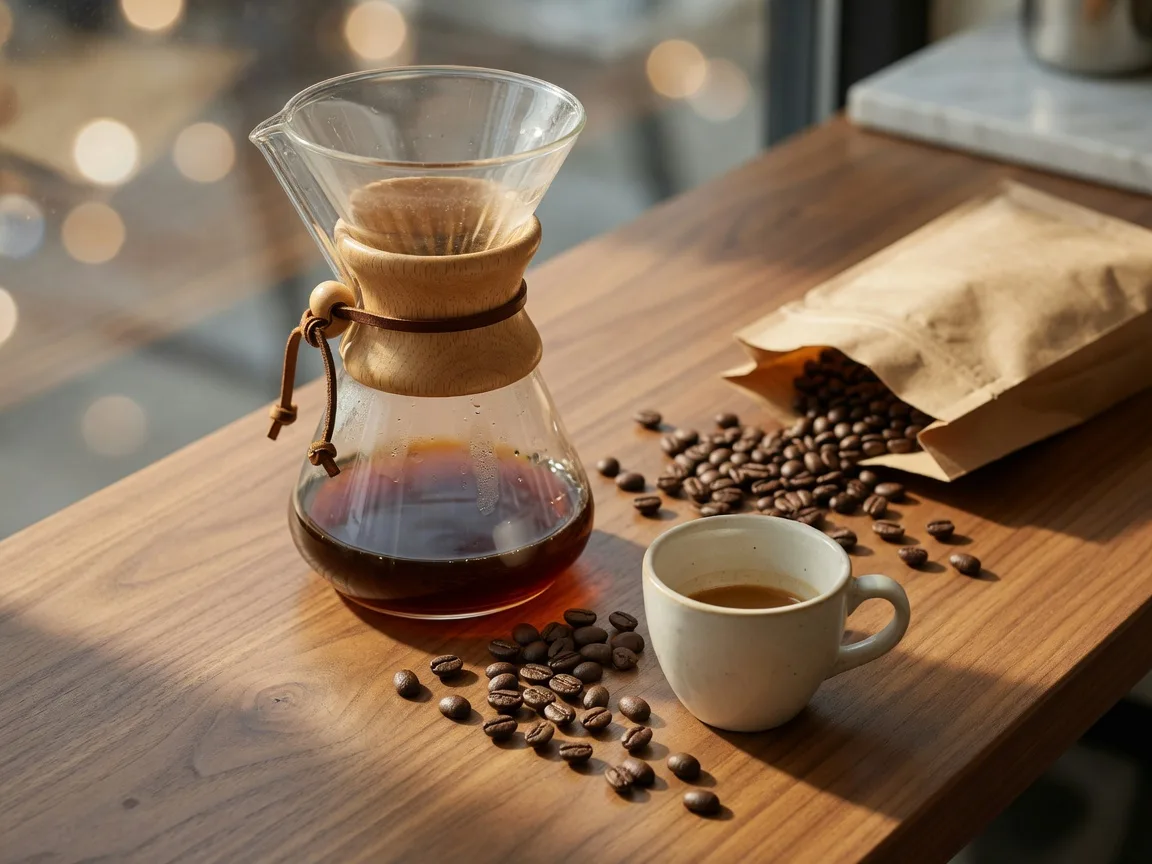
Retail leg
The branded margin side of the same roast
The founder
Emilio, Founder & Managing Partner
Emilio started Cafe Colonial around a working observation: a pound of green coffee carries thin, steady, volume-driven margin, while the same pound roasted and branded carries fat, demand-driven margin, and almost no one in the US market books both in the same company. He structured Cafe Colonial to exploit that seam from day one.
Day to day, Emilio owns sourcing policy, the roast development programme and the customer roadmap, and he is the first point of contact for every investor and buyer conversation. He keeps the operating team deliberately small, because the model is engineered to be run lean: one buying desk, one roastery floor, one order book.
"If the same coffee can earn margin twice, you would be leaving money on the table to run it once." Emilio, Founder & Managing Partner
The operation
Built to run lean and scale clean
Sourcing
Multi-origin contracting across Central & South America and Africa, with fixed-price positions for visibility and a shadow flex book for opportunity. Same lots feed the green trade and the roastery, so sourcing never waits on demand.
Roasting
Small-batch drum roasting, roast-to-order windows and a cupping lab on the roastery floor. Profiles are written to the customer's equipment, not to a warehouse shelf.
Go-to-market
One integrated order book across wholesale, green trade and D2C from day one: coffee shops, restaurants, kiosks, grocery and specialty roasters share the same inventory, pricing and route plan.
The plan
Five years, five moves
Year 1
Launch & origin book
First containers on contract, roastery live, first 120 wholesale accounts and D2C open.
Next phaseYear 2
Scale the roast
Roasted wholesale grows past green trade; grocery doors open; East and Southeast regions active.
Next phaseYear 3
Recurring at scale
Evergreen accounts pass half of revenue; EBITDA turns positive; Midwest and Southwest regions open.
Next phaseYear 4
National footprint
39 states; subscriptions and green clubs mature; origin positions consolidated.
Next phaseYear 5
The integrated model at scale
Roasted, green, wholesale and retail under one brand; corporate-grade governance in place.